Sometimes your inner world needs more than one way to express itself.
Curious about art therapy, but not sure whether it’s right for you?
Maybe you don’t see yourself as creative, or someone once made you believe you were “bad at art.” Or maybe you’re professionally trained but struggle to access your creativity outside of what you’ve been taught.
Art therapy doesn’t focus on talent or making something perfect. It’s about what happens internally when you engage in the creative process. How your body responds. How emotions surface and settle. How your mind begins to quiet.
Creativity isn’t a rare gift, it’s a natural human capacity. This work offers a way to reconnect with a part of you that already knows how to move toward healing.
People often come to art therapy because
- They’ve developed insight, yet still feel stuck in the same emotional cycles.
- They felt like they weren’t “doing therapy right” because they find it difficult or painful to put words to their experiences.
- They found that talking about their feelings wasn’t helping, and made them more anxious or feel physically unwell.
- They enjoy being creative and are looking for a therapeutic space to rediscover a sense of play, curiosity, and pleasure with guided support.
Art is powerful because it meets you where the body holds experience.
It gives you something tangible to work with, allowing emotions to take shape in ways that feel more manageable, and more meaningful.
My role is to provide a space where you can explore what has brought you to therapy safely and creatively, so you can begin to feel more steady, empowered,
and at home within yourself.
With a compassionate and non-judgemental lens, we will use a range of expressive processes tailored to what you need — whether that's working through past experiences, navigating current challenges, or simply finding your way back to creative play.
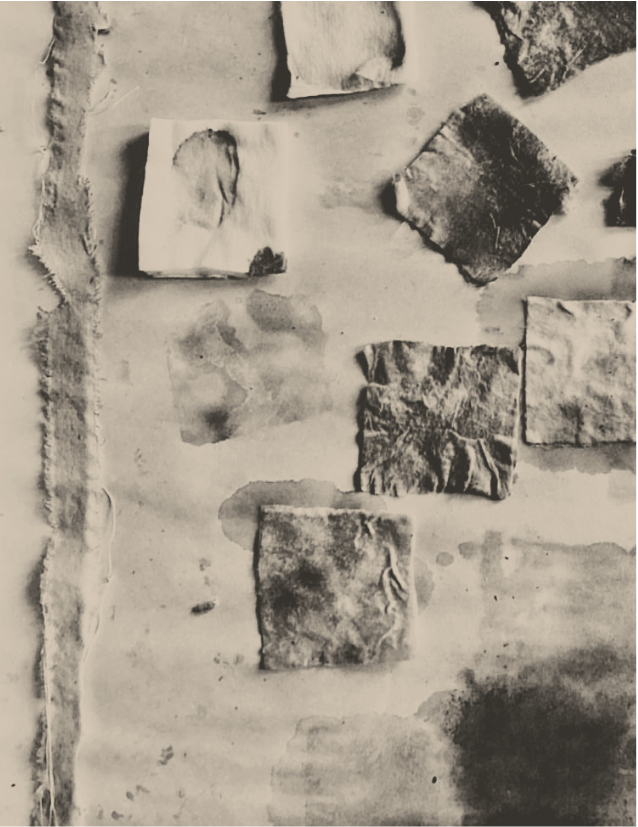
We pay attention to what materials do. How they energise, calm, contain, or release.
Instead of internalising heavy feelings or holding tension in the body, art making allows you to direct that energy outward. This process can support moments of flow - states of focused attention that quiet distressing thoughts, restore a sense of balance, and foster feelings of reward, joy, resilience, and wellbeing that extend beyond the creative moment.
Any artwork you create is an extension of you.
It is a container that holds your experience and a mirror that allows you to dialogue with parts of yourself that may have been previously hidden to you. Making art is a way of bringing into awareness what needs attention, care, or resolution, where it can be seen, reflected on, and understood with greater clarity.
Art-making also functions as a constructive outlet where you can practice making choices, work through problems, strengthen your capacity to tolerate uncertainty, become more comfortable letting go of control, and develop confidence and self-trust.
If the concept of “sitting with your feelings” feels vague, uncomfortable, or unhelpful to you, channeling emotion into workable forms and images can be deeply relieving and satisfying.
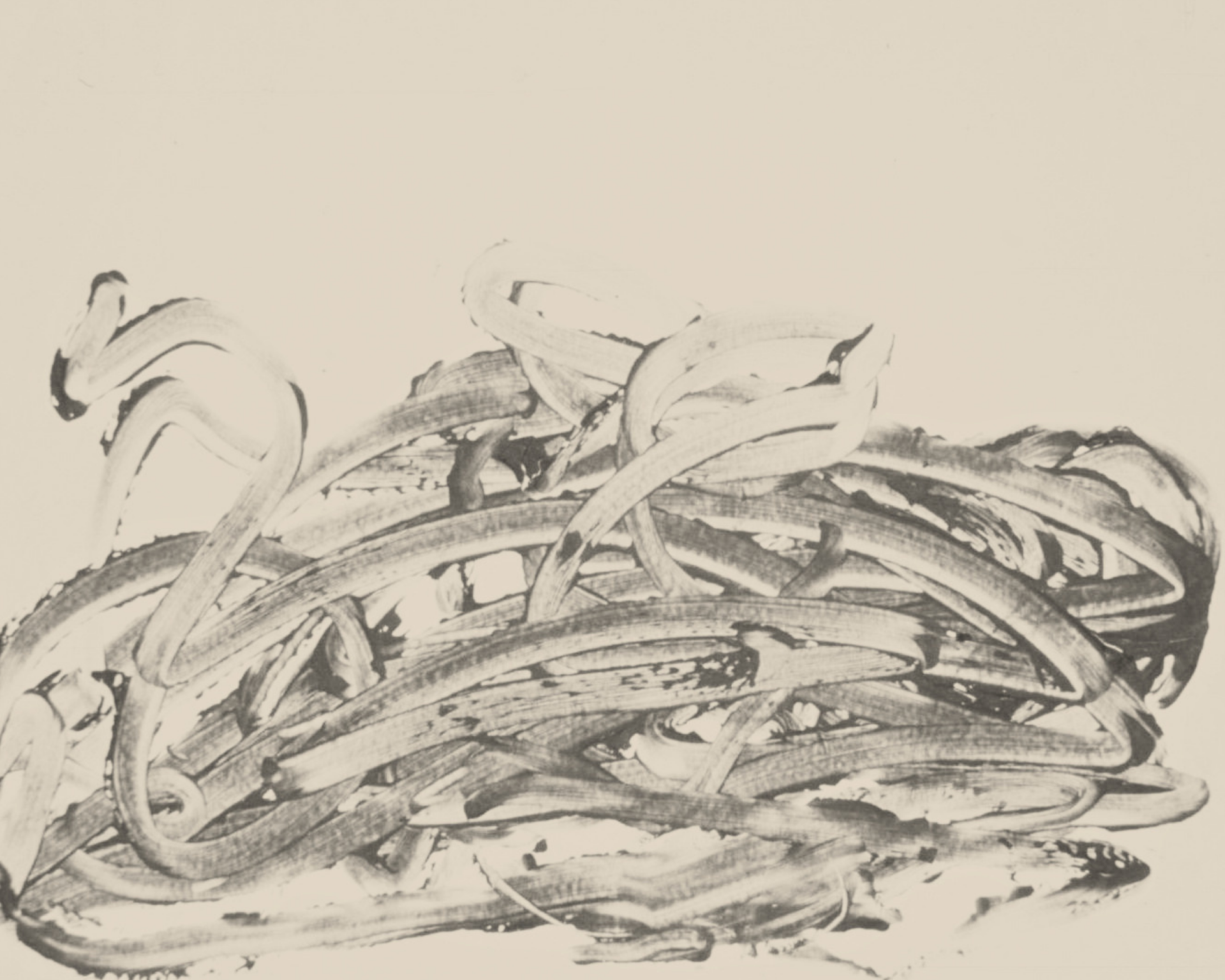
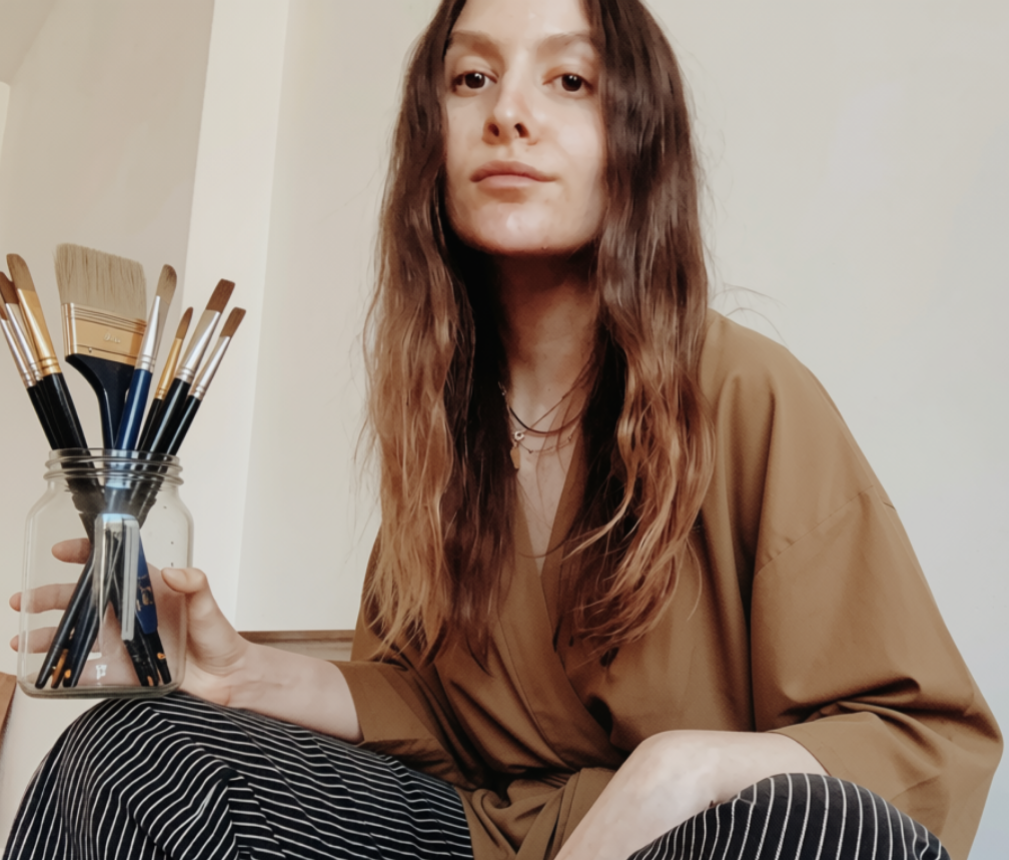
Over the past 20 years, my studies, artistic practice, and professional work have been devoted to listening, witnessing, and making meaning from human experience.
Through my background in art history and anthropology, and my work as a community radio producer, audiobook director, and documentary photographer, I’ve learned that people long not only to be seen and understood, but to find coherence, dignity, and ways of expressing what they have lived.
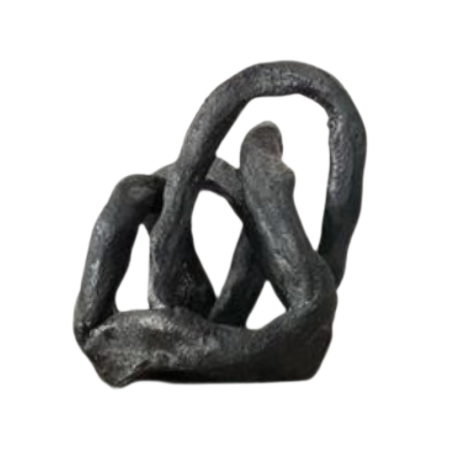
My personal mixed media art practice, alongside my grounding in holistic culinary arts, deepened my interest in creative, embodied approaches to wellbeing and inspired me to pursue training in art psychotherapy.
Witnessing others engage in their own creative process, I continue to be humbled by how creative expression can affect the body and mind. Sharing in the moments of surprise and relief that emerge for people - sometimes even after only a few sessions - is one of the most rewarding parts of this work.
If you’re ready to explore healing through a supported creative practice, let’s connect.